
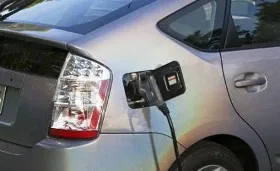
Perhaps in the future all cars will be refueled from an electrical outlet
A major step in this direction is the rapid development of hybrid cars. Toyota Corporation holds a strong global lead in the number of models with hybrid drive. The flagship of the Japanese giant's sales is the extremely well-made car Toyota Prius, which is equally loved both at home and in the world's largest automobile market – the United States.
Even recent problems related to the discovery of situations that could potentially lead to an accident did not seriously reduce sales of this hatchback. Buyers have become convinced that Toyota takes safety issues seriously – all 'problem' cars were recalled and repaired at the expense of the Japanese.
The main problem with hybrids so far is that they are more expensive than conventional petrol versions. And although over the years this saving pays off several times (due to the fact that less fuel will need to be poured into the gas tank), many car dealership customers are put off by this fact. However, the rapid development of hybrid technologies, the emergence of infrastructure for accelerated replacement of used batteries, and the development of so-called 'plug-in hybrids' (which can recharge batteries from a regular electrical network) convincingly shows: sooner or later, hybrid cars will become the norm, and petrol cars will move into the category of exotic.
Another branch of eco-friendly cars is fully electric cars. Yes, so far there are far fewer of them than the same hybrids, and most of them are in the development or pre-sales stage. For example, the Chevrolet Volt, the first sales of which are scheduled for November 2010. Even more important than with hybrids is the development of infrastructure through which the owner of an electric car can quickly and conveniently replace his battery.
Development of new types of lighter, more compact and more powerful batteries is also in full swing – in advanced countries, grants of hundreds of millions of dollars are allocated for this.
_