
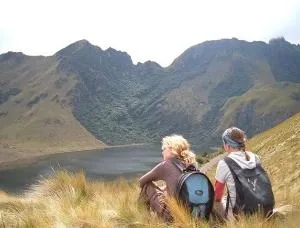
The main volunteer interest is to see the world
Volunteers are such incomprehensible people who are ready for a month, two, or even more every day in a row to go to a communist subbotnik. They work not for money, but for pleasure, and the occupation of volunteers is sometimes very strange – for example, they can watch gibbons and turtles for weeks, or help in conducting religious services, or go to work for free as loaders.
Just don't think that volunteers are burdened by a heavy pioneer-Komsomol past that determines the abnormality of their behavior. The origins of their work enthusiasm are completely different, and the volunteer movement flourishes in those countries where they know about Komsomol members only by hearsay.
Being a volunteer is not particularly profitable, but not too expensive either: as a rule, the employer pays for the volunteers' accommodation and meals, they even get modest sums for pocket money. Medical insurance and a registration fee (from $50) are paid independently. Sometimes the host covers travel expenses, but you shouldn't count on it.
The majority of volunteers are young people, mostly students. Many of these programs have age restrictions – 30-35, or even 25 years old; volunteers also rarely accept those under eighteen. But if you have early gray hair at your temples, and your hard work and thirst for communication are still immense, you can participate not in a short-term but in a medium- or long-term volunteer program.
Such programs are less like Lenin's subbotniks, because from their participants they expect not only the ability to carry logs over rough terrain, but also some qualification (or a desire to acquire it). As a rule, volunteers are needed for long-term in healthcare, construction, culture, or agriculture. Participants of any program are expected to have at least a modest knowledge of the language of the country where they are going to work.
What does a hardworking volunteer's day look like? As a rule, he works in the morning. Usually the work lasts 4-6 hours a day. There are, of course, expeditions with more difficult working conditions, with a 12-hour working day – in any case, the employer honestly warns future workers about what awaits them. Then, after work, the working people have lunch and go about their business.
The organizers of volunteer programs for students usually try to organize volunteer leisure: they arrange excursions, entertainment, etc. As a result, the whole event often resembles a pioneer camp, but for adults: with smart conversations and tasting local varieties of alcohol during non-working hours.
Perhaps the main appeal of volunteer programs is that they operate all over the world. Suppose you don't have enough money to pay for a trip to Argentina, or say, Brazil. But seeing Europe this way, while reconstructing some castles in Provence and observing roe deer and wolves in the Apennine mountains, is quite realistic.
It is worth adding that one type of volunteer work, namely voluntary assistance in archaeological excavations, has a strong tradition in Ukraine. Archaeological expeditions are organized by the Ukrainian Institute of Archaeology, and it's not too difficult to get there. Life in archaeological camps at Chersonesus or Olbia gives you a chance to realize your work impulses at home, if nothing worked out abroad. It's just that they usually don't speak English there.