
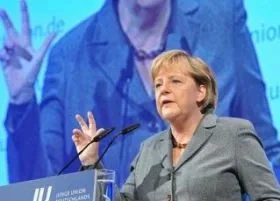
German government changes immigration policy
There are two main points in the bill. It provides for the introduction of penalties for those who refuse to attend mandatory integration courses. And forced marriage, often practiced among Muslim immigrants, will be considered a separate crime. Legal prosecution will become easier, although the sentence remains unchanged – up to five years in prison. At the same time, it is planned to step up the fight against sham marriages.
If the second point is more or less clear, the problem associated with attending German language courses is not so simple. A wide selection of courses exists only in large German cities: you can study the language both at Volkshochschulen and through certified private institutions.
The Federal Office for Migration and Refugees (BAMF) covers the cost. But if a person lives in a rural area, they have to join a queue for course enrollment, which can stretch for months. Moreover, funding for these courses is constantly being cut. This was pointed out, incidentally, by Volker Beck, the managing director of the Green Party faction in the Bundestag.
It is also unclear how the local foreigner authorities, responsible for enforcing sanctions, will treat elderly migrants whose health prevents them from attending courses. After all, if they fail to attend language classes, immigrants face refusal to extend their residence permit. Does that mean such foreigners will be deported from Germany?
The Greens have already criticized the bill as 'completely pointless.' It is noted, for example, that forced marriage is already a criminal offense, so the discussion should be solely about 'cosmetic measures.' And the sanctions against 'offenders' are, according to the Greens, a diversionary tactic meant to conceal other important integration problems.
The Greens' integration expert Memet Kilic stated that his party has prepared its own bill on immigration policy. In particular, it proposes easing the process of granting citizenship to immigrant retirees living in the Federal Republic. Furthermore, the Greens demand accelerating the naturalization process for foreigners, reducing the waiting period for a German passport from the current eight years to six. Those foreigners who have successfully completed integration courses should, according to Kilic, be eligible for citizenship after just four years of legal residence in the country.
Vladimir GUSHCHIN.
