
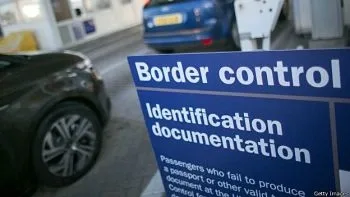
We present to our readers an analytical overview of changes in British immigration law, prepared based on materials from the BBC.
1905 – Aliens Act, which stated that “undesirable aliens,” such as beggars, lunatics, vagrants or prostitutes, could be refused the right to enter the country.
1914 – British Nationality and Status of Aliens Act guaranteed the right to British citizenship to any person who could prove specified connections to one of the dominions of the British Crown.
1948 – British Nationality Act, under which British dominions introduced their own citizenship, but their citizens retained the status of British subjects.
1968 – Commonwealth Immigrants Act, under which immigrants had to provide evidence that either they themselves, or their parents, or their grandparents were born in Britain.
1971 – Immigration Act, under which Commonwealth citizens lost the right to automatic British citizenship. This meant that they were now subject to the same restrictions as potential immigrants from other countries. They could now apply for citizenship only after five years of living and working in the United Kingdom. A partial “right of abode” was established, in which all restrictions were removed for migrants who could prove their direct family ties to Britain.
1988 – Immigration Act, which stipulated that only one wife or widow from a polygamous marriage had the right to enter the country. It also affirmed the right of citizens of European Union countries to freely enter, leave and reside in Britain.
1996 – Asylum and Immigration Act, which introduced criminal liability for employing any person who does not have a work permit or leave to remain in the United Kingdom.
1999 – Immigration and Asylum Act, under which people applying for asylum lost the right to receive benefits and free housing. Care for them was transferred to the specially created National Asylum Service. Previously, it had been the responsibility of local councils.
2002 – Nationality, Immigration and Asylum Act, which introduced the first exam for immigrants and a citizenship test, as well as measures against sham marriages.
2004 – Asylum and Immigration Act introduced a single form for lodging appeals, which remains in use to this day. Destroying identity documents of a person who has been refused asylum became a criminal offense. The act also limited access to legal aid for those ordered to leave the United Kingdom.
2006 – Immigration, Asylum and Nationality Act, which introduced a five-tier points-based system for issuing visas. The right to appeal a visa refusal was limited. The act also introduced fines of £2,000 to be paid by employers for each illegal migrant. This also applied to families hiring nannies from abroad without a work visa.
2007 – UK Borders Act, under which the UK Border Agency received the power to combat illegal workers and automatically deport foreigners imprisoned for specified or other crimes for more than a year. Immigration officers obtained the same rights as police officers: they could detain suspicious persons, enter premises and conduct searches. The same act introduced a potential right to mandatory issuance of special biometric identity cards to immigrants from non-EU countries.
2009 – Borders, Citizenship and Immigration Act, which introduced new rules for immigrants from countries outside the European Economic Area. Now, to obtain citizenship, they had to be in the country legally for eight years instead of five. Obtaining citizenship after marrying a British citizen became possible after five years of marriage.
2014 – Immigration Act simplified deportation conditions for those who have been refused asylum. Landlords, under threat of a fine, are required to check their tenants' right to live and work in Britain. An attempt was made to put an end to abuses during appeals under Article 8 of the European Convention on Human Rights, which guarantees the right to family life.