
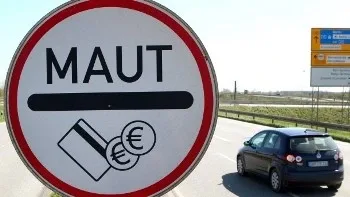
The favorite election project of the Bavarian Christian Social Union – the introduction of a toll for foreign drivers using German roads – turned out to be quite fraught. Before Federal Transport Minister Dobrindt managed to turn the idea into a bill, it came under a barrage of criticism. No matter how detractors condemned the Bavarian initiative, under the banner of fulfilling the coalition agreement, the road toll took shape and became a bill. Which risks being approved by the Bundestag – including on the basis of a legal review that had identified possible inconsistencies of the new German law with European principles of equality. Lawyers argued that Brussels would have no objections – but they seem to have been mistaken.
As it became known on the eve of parliamentary debates on the bill, its final version still contradicts EU legislation in at least two points. Representatives of the European Commission are of the opinion that the introduction of the toll by reducing the vehicle tax is discrimination against citizens of other EU states.
The transport minister intended to collect the toll from both German and foreign drivers, but fully compensate it to every owner of a vehicle registered in Germany by reducing the tax. During the long discussion of the bill's details, the question of its compliance with European norms was repeatedly raised: Alexander Dobrindt in recent months persistently gave the impression that the lawyers of the European Commission were familiar with the details and would not object to the German method of collecting tolls from foreigners.
In addition to the issue of equality, the European Commission is also concerned about prices: the cost of a short-term vignette (10 euros for ten days of using German roads) seems excessively high to Brussels because some vignettes valid for a year can cost owners of the most environmentally friendly vehicles only 20 euros. The European Union, when approving tolls in other states, is guided by a simple principle: an annual vignette should cost about eight times more than a short-term one. Dobrindt's complex bill with many options for calculating the toll does not meet this requirement.
The Federal Ministry of Transport estimates the annual cost of collecting the toll at 202.5 million euros. Most of this will go to a private company responsible for collection, and part of the funds will have to be spent on monitoring compliance with the new rules by the traffic police. Dobrindt's ministry expects to collect 695.5 million euros in tolls from foreigners, and the potential net state revenue should be 493.5 million. However, the one-time cost of implementing the system will amount to 379 million euros.
These calculations raise doubts among experts, and now they are joined by concerns about the legality of the entire idea, backed by the results of a new Brussels review. Will the transport ministry have to develop yet another concept for a road toll, and now under new leadership? The collapse of the CSU's pet project could well lead to a reshuffle in the federal cabinet.