
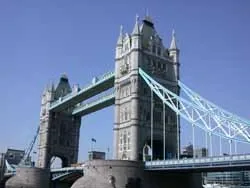
As the London Times reports, a UNESCO report compiled back in July last year sharply criticized the UK authorities for neglecting the protection of the city's historic urban landscapes. In particular, it said that the world-famous view of the Tower of London, Westminster Abbey, and the Palace of Westminster could be spoiled. Mainly because, according to plans for the reorganization of the city center, a giant tower called the Shard of Glass is to be built in the immediate vicinity of this location. The height of this structure will exceed one thousand feet (almost 310 meters).
This, however, is far from the only skyscraper that may appear in central London. The Times mentions several other projects, including, for example, the 52-story Beetham Tower on Blackfriars Road and three 140-meter Elizabeth House towers near Waterloo Station. After all, the high-rise work at these construction sites, which will clearly not enhance the view of one of the oldest cities in the Old World, fits perfectly into the concept of the eccentric London mayor Ken Livingstone, who is considered an active lobbyist for high-rise construction.
The UNESCO report stated that the organization plans to consider the possibility of including the Tower of London and Westminster Abbey in the list of World Heritage in Danger. This apparently seriously offended and worried the UK government. And no wonder: this list usually includes cultural and natural sites located in poor third world countries, such as Nepal, Afghanistan, and Benin. To see their Tower in the same row as the legendary Buddha statues destroyed by the Taliban in Bamiyan would be unpleasant. So, defenders of architectural values were promised that the issue of the impact of skyscrapers on the appearance of central London would be carefully studied. This, of course, does not mean that the project will be immediately scrapped. But, most likely, after appropriate bureaucratic procedures, the views of the British capital will remain untouched.
UNESCO and supporters of preserving the historical appearance of old cities can celebrate a local victory. The World Heritage Centre in many cases remains the last authority where people who cannot find control over wealthy investors and city officials in their home country can complain. However, even this influential organization is not always able to stop questionable architectural projects.