

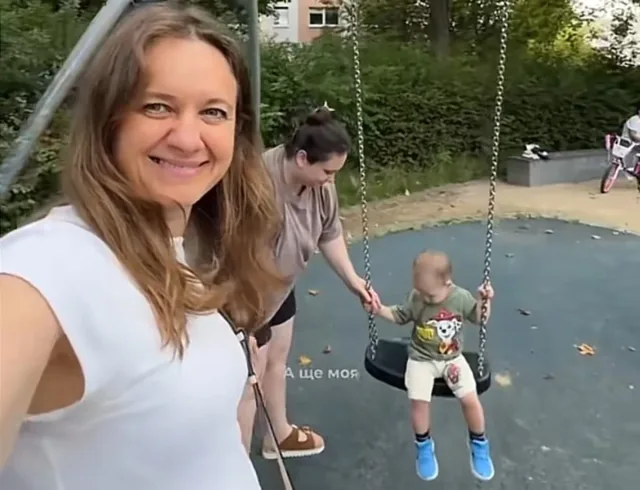
Ukrainian woman Lyudmila Rusina, who moved to Germany in 2022, spoke about the peculiarities of local child-rearing that initially became a real culture shock for her. According to her observations, German parents are calm about children getting dirty during walks and games, and are in no hurry to change them into clean clothes right away. About this, she told in her blog on TikTok.
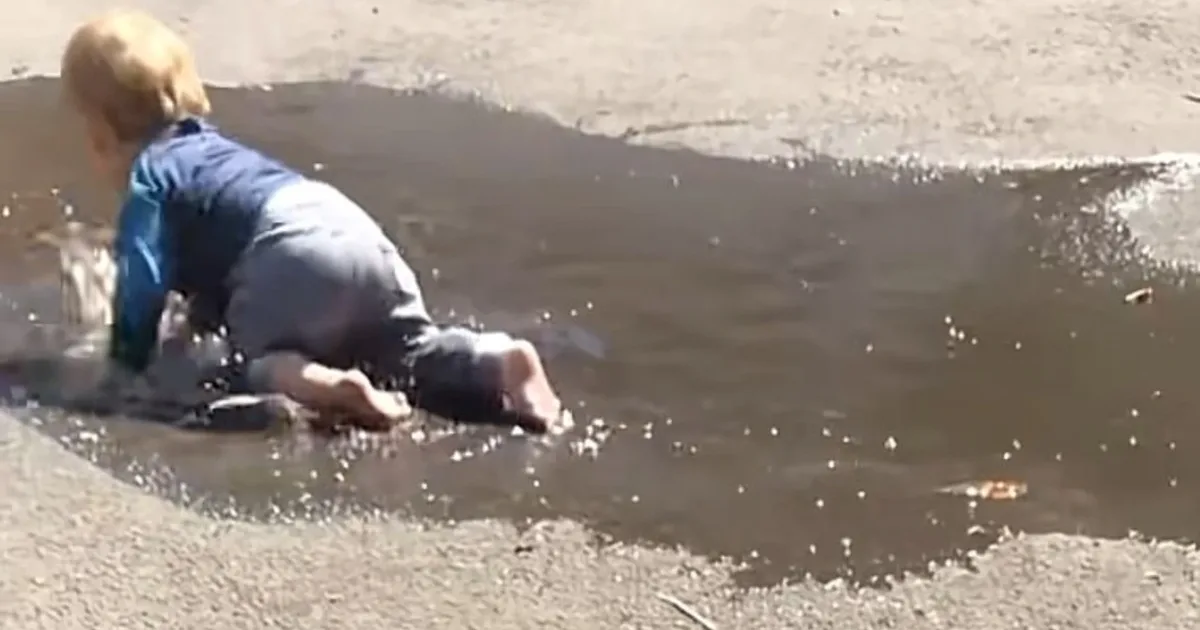
Soon after moving, the Ukrainian woman saw a small child crawling right through a puddle while parents sat calmly nearby and watched. At first, such adult behavior seemed unusual to her, but later she noticed that in Germany such an attitude to children's games is quite common.
According to the blogger, clothes soiled during a walk do not in themselves become a reason for parents to immediately change the child's clothes. She associates this approach not with neglect of hygiene, but with great attention to children's freedom and independence.
Why children in Germany can walk in dirty clothes in 2026
Rusina drew attention to the fact that not only toddlers can be seen in soiled clothes. In such clothes, according to her observations, older children and teenagers sometimes go to school, including from wealthy families.
“They deliberately put them on. And then there are also many high school students - both excellent students and children from wealthy families - in dirty clothes, too. And my Ukrainian friend also said: I always distinguish Ukrainian and German children at the playground. Because Ukrainian children are always clean, while German children are the opposite,” Rusina said.
At the same time, it is not about Germany not following cleanliness. According to the Ukrainian woman's observations, the main difference lies in the attitude of adults to the child's appearance. If clothes get dirty during a game, it is not necessarily perceived as a problem that needs to be immediately corrected.
Children are allowed to actively play on the street, including in sand, dirt, and puddles. A similar approach is found not only on playgrounds. According to Rusina, parents give children more freedom in other everyday situations too.
How children in Germany are taught independence in 2026
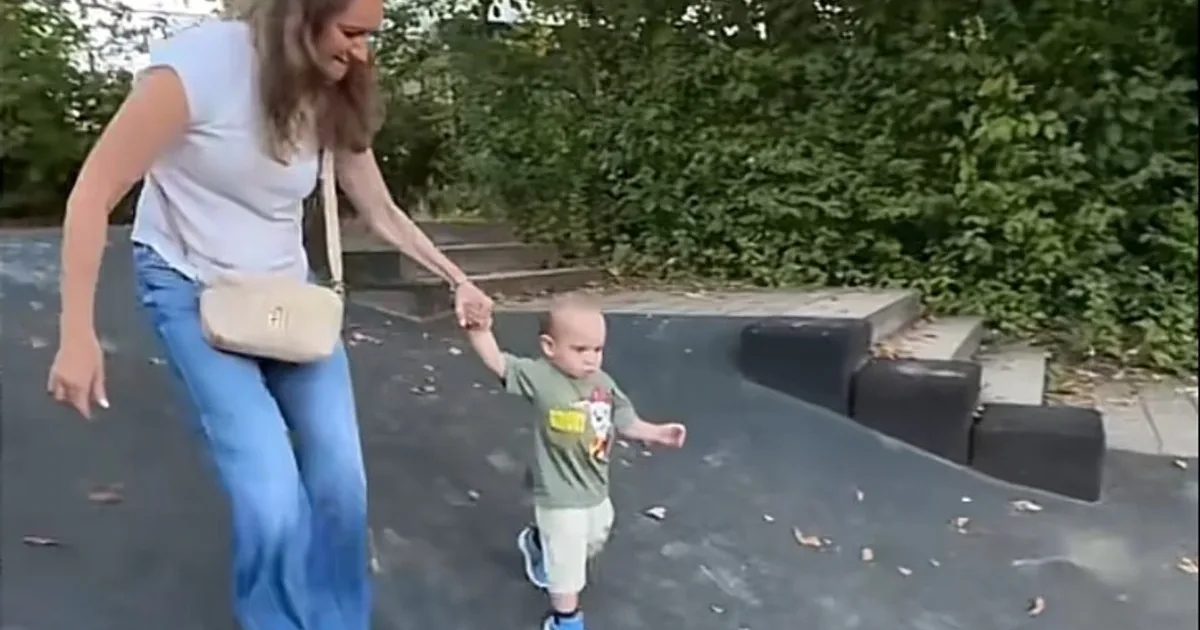
Another feature is that children are more often allowed to choose for themselves what to wear. Therefore, a child can go for a walk in a dress over trousers, pick different socks, or combine things in a way an adult would not.
“For a walk, children often dress themselves, so it can be a dress over trousers or different socks. And no one will change them, because here it is perceived as a manifestation of independence,” the Ukrainian woman added.
Freedom in choosing clothes is only one of the manifestations of this approach. From an early age, children are taught to independently make simple decisions and be responsible for them.
Another characteristic feature is a large amount of time in the fresh air. Cool or rainy weather by itself is not always a reason to cancel a walk. Therefore, children continue to play outside in conditions when parents in other countries might prefer to leave them at home.
Independence is also manifested in everyday movement. Already at about 6-7 years old children can walk to school themselves if it is near home. Some educational institutions support such an approach, since it is believed that it helps to develop a child's responsibility and self-confidence.
Parental restrictions also differ. As the publication Kietzee notes, some German parents are quite calm about sweets in moderate quantities, but more carefully control the time a child spends in front of the TV, smartphone, or other screens.
Rusina noticed a similar practical attitude to appearance among adult Germans. According to her observations, people monitor basic cleanliness and neatness, but many do not consider carefully ironed clothes, an elaborate hairstyle, or makeup mandatory.