
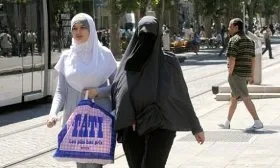
Within ten years, the demographic picture of Europe could change beyond recognition
Sweden could become home to millions of people from the Middle East, while Latin American, Arab and African communities in Spain will grow sharply. And about half of Ireland's population by 2020 may speak Eastern European languages.
The UK and France will also remain magnets for migrants, with their populations potentially increasing by 70% due to the influx of foreigners. Residents of former British colonies, mainly India, Pakistan and Bangladesh, will continue to arrive on the foggy Albion. In addition, Polish and Baltic communities will become significantly stronger in the kingdom. In France, the number of Arabs, primarily from Morocco and Algeria, is expected to grow.
Austria, Finland, the Netherlands and Denmark are expected to be attractive to foreigners, where a new wave of migrants could increase the number of residents in these countries by a third. Population growth due to foreigners in Germany, according to forecasts, could range from 10 to 18% and will mainly depend on the economic situation in Turkey. A number of researchers believe that the rise in living standards in Turkey could slow down and even stop emigration from this country in the near future. According to the most pessimistic forecasts, about 10% of Turkey's residents will leave in the new decade, most of whom will settle in Germany.
Latvia appears to be the leader in population outflow among EU countries, with up to a third of its current residents leaving by 2020. At the same time, a large 'new Russian' diaspora may emerge in the country. Note that the Latvian authorities recently simplified the process of obtaining a residence permit for individuals purchasing real estate in Latvia, which has caused a stir among wealthy Russians.
Romania, Poland, Lithuania and Hungary could lose about a fifth of their population, as their residents actively move to Western European countries, mainly the UK, Ireland and Spain.
Only the Czech Republic, Slovenia and Estonia will be able to avoid radical demographic changes, as they stand out among other Eastern European countries with a relatively high standard of living and good prospects for economic development. Among the post-socialist EU countries, Bulgaria stands apart, as its population could grow significantly due to emigrants from Macedonia, Serbia and Albania.
Anton NEVZLIN.
