
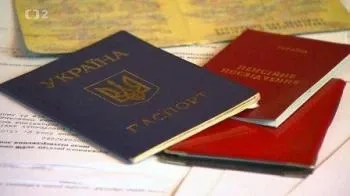
As Radio Prague reports, the arriving compatriots will be housed in dormitories belonging to the Ministry of the Interior of the Czech Republic. Each adult is expected to receive 50,000 crowns (1,800 euros), and for the support of children — 20,000 crowns (727 euros). The settlers will be provided assistance in finding employment and permanent housing.
A significant portion of the citizens now on their way received entry visas in Odessa during the operation of the temporary Czech consulate there. Radio Prague spoke about the details of the plan's implementation with the special commissioner for compatriot affairs, Karel Kienl:
– About 190 compatriots were invited for interviews, with whom the relevant departments of the Ministry of the Interior had previously been in contact. In writing, via email, they were explained what they needed to bring, and they were very well prepared. 150-160 applicants came to the temporary consular office. Not all invitees were able to reach Odessa. For example, one family from the Luhansk region could not manage it. They wrote and called to say they could not get through the blockade to come. Certain problems also arose for two families from Donetsk, but they were resolved and they came. Over two days, about forty of our compatriots who live in or near Odessa also approached the temporary consulate in Odessa. Naturally, we accepted their applications as well.
With writing applications and systematizing the collected documents, the settlers were assisted by representatives of the Archdiocesan Caritas and an employee of the Czech Ministry of the Interior. Therefore, when the documents reached the hands of the Foreign Police officers, everything was in perfect order.
– Our compatriots decide on their own the method and time of moving to the Czech Republic, – says Karel Kienl. – Those who visited Odessa have already received the necessary permits. Some will come independently, others can arrange among themselves and organize a bus trip. About 40 people will fly in on March 15 on a special military plane. Then the rest will come, depending on how they manage to plan everything. The visas initially issued to them, necessary for crossing the border and subsequent processing of permanent residence documents, are valid for six months. This means that everyone who received them must come to the Czech Republic by the end of August. The government has adopted a program to assist relocating compatriots. Everyone who comes from Ukraine to us has submitted an application for such assistance.
As the special commissioner for compatriot affairs, Karel Kienl, notes, the age composition of the ethnic Czechs currently resettling to their historical homeland is very diverse:
– The youngest settler listed in the documents was born just two days before we arrived in Odessa and opened the temporary Czech consulate there. All necessary documents were collected, so a boy who was only 10 days old was included in the resettlement program. The oldest applicant was a woman born in 1927.
Of course, life is difficult for them now. They hope that their future life in the Czech Republic will be better than where they have been until now. Otherwise, they would not be eager to move here.