
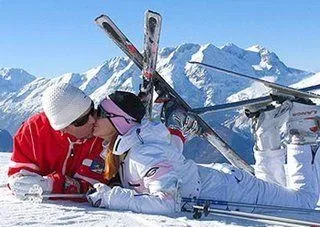
So you have decided to buy skis. In this article, I want to talk about how to choose skis, how to properly select head bindings, and what to consider when purchasing. By the way, an important attribute in skiing is also scott goggles and poles. But more on that later.
First, let's decide on the style you will be skiing. There are three styles of skiing: classic, skate, and universal. Classic style is when skis move parallel to each other. For this method, you will need soft skis with a sharp tip. Skate style, also called free style, involves pushing off from the inside of the ski. Skis should be stiff and shorter than in classic style. Also, with skate style, the track should be wide and well-packed. The third style is universal. The name speaks for itself. You can ski combining both classic and skate styles.
Skis come in different types. When buying skis, you must clearly determine what you are buying them for. Professional skis are intended for people who have been skiing for years. They are the most expensive, but also lightweight. Recreational skis are suitable for those who have been skiing recently. They are cheaper and heavier than professional skis. Touring skis are designed specifically for long trips across snowy expanses. They are wider, heavier, stiffer than other types of skis, and their sliding surface has special notches to prevent slipping.
There are also backcountry skis, falling under the touring ski category. They are also wide, with notches, but more durable. Recreational skis are similar to touring skis but significantly lighter — up to 1.5 kg. There are also children's and junior skis. They are most often made of plastic, with bindings for regular boots, and specially designed for children's weight and strength. Additionally, there are backcountry or hunting skis. These are the widest of all types of skis.
Bindings are mandatory for skis. Bindings can be sport bindings — designed for high speeds and loads, with special built-in devices that filter vibrations and absorb heel shocks. They use many metal parts. In touring bindings, the majority of parts are made of impact-resistant plastics and composites.
Now about ski goggles. Goggles are quite functional when skiing. They reduce snow glare, protect against UV radiation, wind, and snow. Goggles should be comfortable and not fog up. I recommend not skimping on this attribute, because it is very unpleasant when you are going down a mountain slope and the sun blinds your eyes or, worse, snow covers them! Do not forget that goggles are made of a special material that does not condense moisture, attaches well and comfortably to the head, and prevents bright sunlight.
So, we have covered the main parameters for choosing skis and accessories. Now you need to decide which skis suit you best and head to the store! Alternatively, you can purchase items from an online ski equipment store.
_