
Egyptian authorities intend to do everything possible to keep tourists at their resorts
Recall that in late November – early December in Egypt, there were several attacks by a marine predator on swimming tourists. Several Russian citizens and one Ukrainian were injured, and the last incident ended with the death of a German tourist. Experts are still arguing about where the sharks came from in Egypt and what caused their unusual behavior in local waters. Meanwhile, authorities are solving the problem: how to ensure the safety of vacationers without ruining the upcoming holiday season.
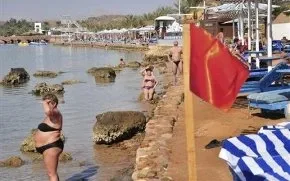
On the eve of the New Year holidays, when the influx of foreign tourists is especially noticeable and the earnings of Egyptians rise accordingly, the authorities of Sharm el-Sheikh have again risked opening local beaches. However, this is happening without haste and with the observance of some safety measures.
Thus, beaches are being equipped with observation towers and round-the-clock lookout posts that should quickly respond to the appearance of predators in coastal waters. Tourists themselves will also bear responsibility for safety. Warning signs will be installed on the most dangerous beaches, including a ban on feeding marine fauna. It is also strictly forbidden to feed fish from pleasure boats and yachts.
For early warning of predators appearing offshore, boats are to constantly patrol. The possibility of fencing the most popular dive sites with special nets is also being considered. But this option for shark protection is likely a distant prospect – it's too costly a measure.
How effective the measures being taken will be in convincing tourists of the safety of a holiday on the Red Sea coast will be shown in the near future. After all, the busiest season is approaching – the New Year holidays, when tours to Egypt become especially popular among foreign tourists.