
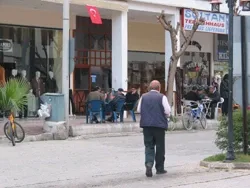
Photo from the archive of Zagranitsa
The sale of alcoholic beverages is banned in cafes, restaurants and hotels controlled by city authorities, and the new law has not yet affected private tourist facilities. The initiator of the introduction of the "dry law" in the state catering sector was the ruling pro-Islamic Justice and Development Party, whose leader is the current Turkish Prime Minister Recep Tayyip Erdoğan. Representatives of this party in parliament are convinced that the ban on drinking alcohol "in public" will strengthen families and protect young people from bad influence.
Meanwhile, the leader of the opposition Republican People's Party, Deniz Baykal, said that the introduction of the alcohol ban threatens the secular nature of the state. Moreover, in his opinion, the "dry law" could in the future extend to the private tourism business, which would bring multibillion-dollar losses to the Turkish economy. At the same time, the opposition representative recalls that the law banning alcohol in public sector institutions was adopted on the personal initiative of Prime Minister Recep Erdoğan, who does not drink alcohol and advocates the full introduction of a "dry law" in Turkey.
The tourism business is concerned. The fact is that Turkey is visited annually by 15-16 million tourists, of whom about 1.6 million are Russians. Tourism brings local businessmen over $50 billion in profit annually, of which about $15 billion goes to the state treasury in taxes. In addition, foreign tourists pay over $300 million in visa fees annually, which also go to the budget. In this regard, local economists believe that the government, with one ill-considered decision, could destroy the country's economy.
Recall that three years ago, the Turkish authorities banned belly dancing in all entertainment venues, including tourist facilities. That ban then led to a slight decrease in the number of foreign tourists wishing to spend their holidays in this country. But if drinking is also banned here, the number of foreign holidaymakers will dry up altogether.