
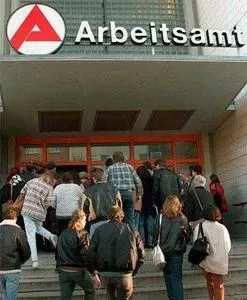
The new structure, which will soon have a staff of seven thousand, is expected to be called Financial Control over Illegal Employment. It will also be possible to set up special investigative and search groups, which will include police representatives. The investigators will now focus primarily on illegal workers who take on side jobs in production sectors such as construction.
At the same time, the initial proposal of the red-green coalition to impose criminal prosecution for illegal employment in households did not make it into the final legislative document. This violation will remain an administrative matter. Moreover, inspectors will not be allowed to enter private homes and apartments for verification; for that, the homeowner's permission is required.
Still permitted without payment of taxes is one-off work or neighborly assistance. If such activity becomes regular, then it must be officially declared.
Since May 1, 2004, the situation for citizens from new EU countries wishing to take up low-skilled work in Germany has hardly changed. As before, they cannot work legally in the Federal Republic. The reason is the seven-year transition period for labor markets from new member states.
Nevertheless, for residents of, say, Lithuania or Poland, there is still the possibility of officially working in Germany as a domestic helper, cleaner, or construction site worker. To do that, an EU citizen needs to register in Germany a one-person enterprise (Einzelunternehmen).
This can be done without any equity capital and with minimal costs. It suffices to state one's residential address in the Federal Republic and provide a bank account number. Then you can offer yourself as a service—whether it is work at a construction site or in a household. EU citizens who are not yet registered in Germany and are entering the country for the first time must provide evidence of funds to support themselves for six months.
Residents of Germany who want to hire a housekeeper or a cleaner do not necessarily have to do so under the table, bypassing the Finance Office. As it turns out, there is not much money to be saved, but you can get into serious trouble. For example, if a cleaner receives a monthly amount not exceeding 400 euros, then the employer's expenses on taxes and social insurance will be only 128 euros per year. Accident insurance costs a maximum of 50 euros per year. If the housekeeper's salary is less than 400 euros, the employer's expenses will be correspondingly lower.