
Currently Marangoni has two branches - in Milan and London, and from September 2006 the institute is opening new branches in Paris and Shanghai. As an expert from the Parta career center notes, the choice of location for educational institutions united under the name Marangoni is not accidental. Milan, London, Paris... The very names of these cities evoke associations with the high fashion industry. Famous designers work here, fashion shows take place, future Dolces, Gabbanas, Versaces and Yves Saint Laurents are looking for work here. Leading buyers flock here - fashionable clothing is purchased for boutiques and wealthy individuals.
Marangoni is very popular among those who understand the high fashion industry. Over 1,500 students from 70 countries make up its community, but the number of those seeking to study there is even greater. The opening of a branch in Shanghai is driven by the huge influx of people from Asian countries wishing to obtain the coveted diploma adorned with the logo of the famous brand. Instruction here will be conducted in English and Chinese.
Marangoni offers students four types of programs: three-year basic, master's, one-year refresher, and summer courses. Basic programs are taught in areas such as fashion design, fashion business management, fashion styling, interior design, product design, and graphic design.
To provide a more complete picture of the institute's academic programs, let's look at the structure of the most popular fashion design course, which for many years has been the face of this institution.
In the first year, students learn to make sketches, create patterns, work with computer graphics, and become familiar with the workings of the high fashion industry, industrial production, and materials. They are also given courses on the history of art and costumes of various eras.
In the second year, in addition to professionally oriented subjects, students are taught disciplines such as collection development, contemporary art analysis, and fashion sociology.
The third year is the most important in the lives of fashion design students. Their future employment depends on their ability to develop and present their clothing collections. It is in the third year that courses on brand creation and development, image strategy analysis, show organization, and contemporary cultural trends are added to the core subjects.
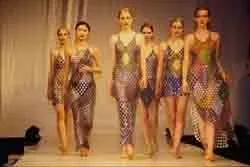
The culmination of training in this specialty, both at the bachelor's and master's levels, is the organization of shows of collections prepared by graduates. At the Marangoni Fashion Show, representatives of fashion houses, design companies, fashion media, and textile industry executives gather in search of fresh talent.
The master's program at Marangoni is more extensive. In addition to the areas in which one can continue studying after completing three-year programs, one can obtain a master's degree in accessories, fashion promotion, brand management, fashion buying, and design direction. The duration of master's study is eight months. Marangoni Institute awards scholarships to the best students enrolled in master's programs.
In the one-year programs, professionals upgrade their qualifications in the following areas: fashion design, fashion construction, and interior design.
The languages of instruction for the three-year programs in Milan are Italian, and in London – English. One-year courses and master's programs are taught either in English or in Italian with translation into English. Because the programs taught in both Milan and London are the same, students have the right to choose which campus to study at. This allows them to compare life in the two cities, experience a certain difference in the styles of Milan and London, and also work in diverse multinational teams, giving young people the opportunity to better understand the characteristics of various cultural values and traditions.
Another big plus is that the curriculum includes mandatory practical training, which students undergo at leading fashion houses, design and styling bureaus. The renown of the Marangoni Institute in circles involved in the development and production of fashionable clothing, accessories, household items, and specialized publications makes it possible to arrange internships at the most famous firms. Examples include Armani, Versace, Gianfranco Ferré, Prada, Gucci, Dolce & Gabbana, Valentino, and Jean Paul Gaultier.
Marangoni also prides itself on its own career placement service. It not only helps graduates find work but also raises their social status by organizing special courses on writing resumes correctly and going through interviews with employers.
The three-week summer courses round out the list of programs offered by the institute. They are open not only to specialists but also to anyone who loves and can sketch a silhouette, thread a needle, or properly put together makeup. The course list includes clothing design, image consulting, fashion marketing, interior design, advertising design, and furniture design. In Milan, the summer courses are translated into English, Spanish, and Portuguese, and in London – into Spanish.
According to institute representative Bernardo Paoli, since our high fashion market is in the process of very rapid formation, the most promising courses for domestic students are such areas as fashion styling, brand management, buying, and design project management. The shortage of these specialists is holding back the more rapid development of the high fashion business in our country. If we recall the press's constant criticism of the country's public figures for their inability to choose clothing and accessories, then perhaps one should agree with this point of view.
In conclusion, it should be said that the Marangoni Institute is not just an educational institution. Everything here is subordinated to the formation of a community of top-class fashion professionals. Even the educational space of the schools is organized with a minimum number of partitions, so as not to hinder freedom of communication between students and teachers and fellow students.
As a result of the combined efforts of talented teachers, invited business professionals, well-organized internships, and the special unique creative spirit of the schools, Marangoni has stunning results. A simple listing of the stars who graduated from the Marangoni Institute and work in the most famous fashion houses takes two pages of text. Among its graduates are such names known in the world of high fashion as Franco Moschino, Domenico Dolce, Stefano Guerreiro, Alessandro de Benedetti, Cristina Chulte, and others. Perhaps the next star to graduate from the Marangoni Institute will be you, reading these lines now?