
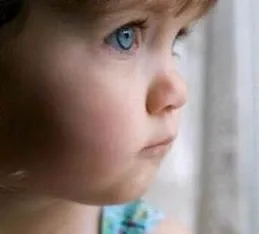
Children, more than anyone else, need our care
A feature of non-profit and non-governmental foundations working with families that have children with physical or psychological differences that set them apart from their peers is that the foundations themselves, their staff, and volunteers must impose certain restrictions on themselves when promoting their organization and working methods. This is because such activities cannot be presented as charity towards those they are intended for, as such a presentation would be offensive to families and have an adverse effect on the upbringing of children and their adaptation to normal life, which would, in fact, negate all efforts.
Many English non-governmental and non-profit foundations operate successfully both in the UK itself and in many countries around the world, including the United States and Russia. Over the past five years, they have also started working in China, which so far amounts only to one-off events at British consulates, specialized English schools, and offices of British companies with Chinese branches.
Currently, their activities consist of occasional children's parties where children with disabilities and their healthy peers gather. There are also special sessions with healthy children where they are told and shown that being unable to see, hear, walk, or speak does not mean being inferior, let alone a bad person. However, in every country, including England itself, such activities began with these small steps.
In Russia, such organizations began their activities in the 1990s, and today they have many working groups in various Russian regions, including the North Caucasus and the Far East. They have many methods of a psychological nature and purely medical ones, even medicinal, using drugs approved by the Ministry of Health of the Russian Federation. These methods help not only to assist children in adapting to the surrounding reality, but also to support the family and prevent its breakdown. And if that does happen, to help the mother or father left alone cope with raising the child, finding work, and psychological stress.
For foundation workers, it is important to start acting from the birth of a child who will need a little more attention, patience, and support than other children. Then, to try to teach parents to work with him at home, provide them with the necessary information and methodological literature, help find a suitable kindergarten, school, and continue such unobtrusive care until graduation.
Now in Russia there are many non-profit organizations that open special children's institutions for children of different ages with disabilities. Many individuals, clinics, political parties, commercial enterprises organize sports competitions, hold graduation ceremonies, children's parties, and even arrange personal birthdays. But unfortunately, sometimes this is only for promotional purposes. And this is not at all due to the mercantilism of all participants, but rather to a lack of specialized psychological skills in this area. And there is great potential for joining efforts and international cooperation.
However, there are a number of Russian companies, entrepreneurs, and individuals who act in this area completely competently and selflessly. It is difficult to overestimate their activities, because for them it is obvious that there are no other people's children—and therefore no other people's troubles associated with their health and emotional state.