
Europeans are turning away from traditional winter resorts, preferring longer holidays at home
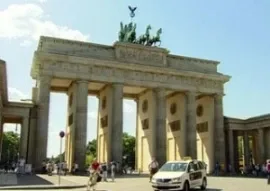
More and more people are discovering the winter charms of their homelands. Belgium became the leader in the growth of domestic tourism, where the number of overnight stays by locals increased by 11%. The most domestic tourists traveled in Germany and Sweden, where locals accounted for over 80% of all overnight stays. Germany also saw a noticeable increase in the number of foreign tourists, who spent 7% more nights in German hotels than in the winter of 2008-2009.
The main surprise of the season was the influx of foreign tourists to Estonia, where the number of nights spent by foreigners in hotels increased by more than 11%.
Austria, Italy and France, which are traditionally considered winter holiday centers in the European Union, can hardly boast of the results of the past season. In the hotels of these countries, the usual number of overnight stays decreased by several percent. Interestingly, the decline was mainly due to the outflow of foreign tourists, which was somewhat offset by the inflow of domestic tourists.
Cyprus, Bulgaria and Romania became the only countries in the European Union where both foreigners and locals massively refused to vacation. The total number of overnight stays in these countries decreased by more than 12%.
The most 'packed' hotels last winter season were in Malta, with occupancy reaching 50% by the beginning of spring. In Germany, this figure was about 25%, which is several percentage points below the European average.
January, which is called the 'dead month' of the tourist season, turned out to be surprisingly successful for Hungarian, Greek and Estonian hotels. In Hungary, occupancy in January increased by 9%, and in Greece and Estonia by more than 2%. Lithuanian and Latvian hotels remained the emptiest throughout the winter season, with occupancy fluctuating around 16%.
Кармен КИРСИНГ.
