
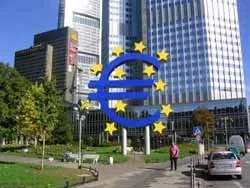
According to the results of recent opinion polls published by the European Commission, in France, Italy and Germany – the countries that most actively advocated for the introduction of the euro – people are not very satisfied with the single European currency. The highest level of dissatisfaction was recorded in Italy, followed by Greece and the Netherlands. In France, 52% of respondents said that the introduction of the euro cannot be called a "good thing". The Irish have the most positive attitude towards the euro.
The main complaint is price increases: 81% of respondents consider this the main drawback of introducing the single currency. According to official data from the French government, the inflation rate has not risen compared to inflation recorded before the euro was introduced, and since 1999 it has been 1.6-2.1% per year. But journalistic investigations show that the statistical data is not accurate when it comes to essential goods. For example, a comparative study by the newspaper Le Parisien showed that the price of 30 essential goods has increased by 80% over the past five years. In 2002, a baguette cost 65 cents; in 2006, it cost 80 cents – an increase of 23%. A cup of coffee in a cafe is 120% more expensive, a kilogram of potatoes has gone up by 93%, and toothpaste by 84%. French Prime Minister Dominique de Villepin responded to the publication by promising to introduce new, more representative price indicators for utilities, rent, and telephone services.
Most French and Spanish people would like to return to a dual pricing system, where the price tag shows the price in both European and national currency. People still find it difficult to get used to the true cost of goods, and as a result, according to the study, they are more restrained in their spending.
At the same time, the European Commission insists that there is a "somewhat perverse understanding" of inflation. According to European Commission spokesperson Joaquín Almunia, "inflation growth rates in some countries have never been so low." Other advantages of the euro include greater protection against currency fluctuations, lower costs of imported goods, increased trade and investment in the eurozone – which reduces dependence on trade with non-EU countries – and the practical benefits of using the same currency throughout the European Union.
Henry Samuel.
Translated by Gzt.ru