
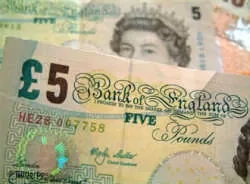
The British pound is a national symbol that the majority of the population of the United Kingdom does not want to part with
For several weeks now, the exchange rate of the pound sterling against the euro has been steadily declining. But the British, it seems, are not bothered by this. Moreover, they are even more opposed to the introduction of the euro in their country. According to Deutsche Welle, these are the results of a new public opinion poll conducted by the ICM polling agency.
The poll showed that only 23% of Britons favor the introduction of the euro in the United Kingdom. "There were almost as many supporters of the pound sterling back in April 2008, that is, long before the crisis hit the lending system. This surprises me," admits ICM head Nicholas Sparrow.
According to Sparrow, he expected that sentiment would change. However, he notes, the number of Britons in favor of the single European currency has never exceeded a quarter of the country's population. Even now, when the pound sterling is falling, everything remains the same.
Politicians who support the transition to the euro remain in the minority in the United Kingdom. In 2002, when the euro was introduced into cash circulation, British Prime Minister Tony Blair still argued that London should at least aim to join the eurozone in the future. However, Gordon Brown, then Finance Minister, prevented this. Today Brown himself heads the government. Recently during a talk show, Brown was asked: now that the euro has almost reached parity with the pound, doesn't the prime minister feel tempted to abandon the national currency? Brown replied that he does not see how that would solve today's economic problems. In other words, Brown's position has not changed. And even his political opponents agree with him on this.
As prominent representative of the opposition Conservatives, shadow foreign secretary William Hague said, the Conservative Party will never allow the introduction of the euro in the country. Moreover, this topic will become one of the main ones in the upcoming election campaign - in June 2009, elections to the European Parliament are to be held.
Norman Lamont, former shadow chancellor of the exchequer for the Conservatives, only supports this position, thereby expressing the opinion of 70% of Britons: whether the pound is high or low, it plays absolutely no role. "Just because a currency is depreciating does not mean it is necessary to join the eurozone. Even the opposite," Lamont believes. "Look at Italy, Spain or Ireland. Now they would do a lot to weaken the euro."
Lamont believes that for exports, the rise of the euro is "akin to poison." "If this continues, the eurozone economy will suffer further. The German economy may not be at risk - it is strong. But smaller economies will definitely be hit," the politician points out.
The main arguments of Britons skeptical about the euro have not changed. The United Kingdom, they believe, has different business cycles than the eurozone.
The United Kingdom wants to conduct its own policy on base interest rates, and above all, have the right to incur as much debt as it sees fit. Moreover, the British pound is a national symbol, and such things are not easily parted with.