
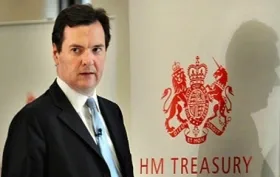
UK Finance Minister George Osborne
In total, over the next four years, budget spending will be cut by 81 billion dollars. UK Finance Minister George Osborne explained the need for these measures by the threat of a debt crisis. Speaking in the House of Commons, the minister said that on average, budgets of individual ministries will be cut by 19%. This is less than what the press had predicted (about 25%).
Although defense spending over the next four years will be reduced by only 8%, the British army faces the layoff of thousands of servicemen and cuts to the military re-equipment program. Therefore, previously planned modernization may be delayed. Recall that Britain planned to purchase fifth-generation aircraft for the air force and navy. British allies have expressed concern that the budget cuts could affect the country's status as a world power.
Quite significant cuts will also be made at the Foreign Office – here costs will be reduced by 24%. First of all, this will be done by reducing the number of internal staff at the ministry. Tax service spending will also be cut (by 15%).
In total, 490,000 jobs will be eliminated in the public sector. Child benefit and housing subsidies will be reduced. The unprecedented austerity package of the British government will even affect the BBC, where the World Service in 33 languages will lose state support. Value added tax will be raised from 17.5% to 20%. The royal family also promised to contribute to the savings program, agreeing to cut its spending in 2012-13 by 14%.
At the same time, George Osborne announced an increase in the retirement age in the UK in 2018-2020 by one year – from 65 to 66. In addition, he promised that by 2015 about half a million jobs would be cut.
Recall that the government of David Cameron announced budget spending cuts immediately after its election victory in early 2010. The main reason for the savings is the rapid growth of public debt, which has risen by more than 50% over the past two years. However, funding for healthcare, school education, and aid to developing countries will hardly be reduced.
_